
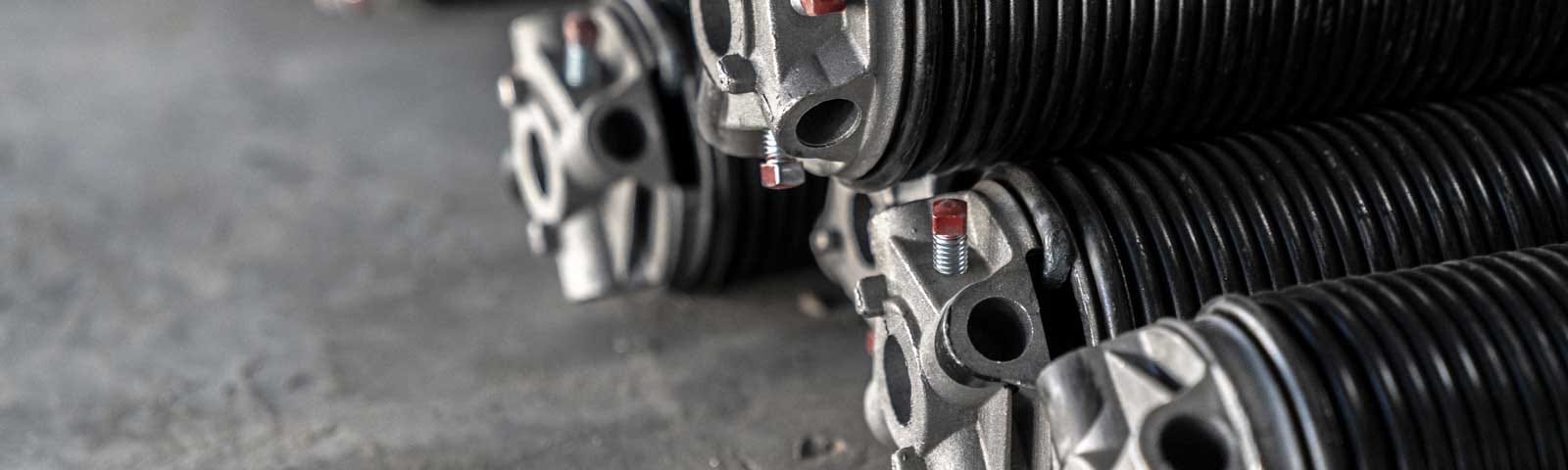
Garage Door Cable
Broken or frayed garage door cables are a serious safety hazard. Our expert technicians replace cables with aircraft-grade steel for lasting, reliable operation. Same-day service available.
Expert Service. Guaranteed.
Every garage door repair and installation by Sears comes with the Sears Satisfaction Guarantee. Our professionally trained, background-checked technicians use quality parts and stand behind every job. If you're not satisfied, we'll make it right.

Signs Your Cables Need Repair
Garage door cables bear the full weight of your door alongside the springs. Here's how to spot cable trouble before it becomes dangerous.
Loose or Hanging Cables
If you see cables hanging loose near the bottom brackets or dangling alongside the door, one or both cables have come off the drum or snapped. Do not use the door.
Door Hangs at an Angle
When one cable breaks, the door loses support on that side and may hang crooked in the opening — one corner lower than the other. This puts dangerous stress on the remaining cable.
Visible Fraying or Rust
During routine inspection, look for strands that are separated, frayed, or kinked. Rust weakens the cable's tensile strength and accelerates failure. Catching fraying early prevents a sudden break.
Jerky or Uneven Movement
If your door hesitates, jerks, or moves unevenly during operation, the cables may be slipping on the drums or partially unwinding. This often precedes a complete cable failure.
Understanding Garage Door
Your garage door uses two steel cables — one on each side — that connect the bottom brackets to the cable drums at the top of the door opening. These cables work in tandem with the springs to safely control the door's 150–400 pound weight as it opens and closes.
Lifting cables are the primary cables that do the heavy lifting, wrapped around grooved drums at each end of the torsion shaft. As the spring unwinds, it turns the shaft and drums, winding the cables and lifting the door.
Safety cables (also called retention cables) run through the center of extension springs. If an extension spring breaks, the safety cable prevents the spring from becoming a dangerous projectile. If your extension spring system doesn't have safety cables, we strongly recommend adding them.
Standard garage door cables are made from galvanized aircraft-grade steel with a typical diameter of 1/8" to 3/16". Despite their small size, these cables have a breaking strength of 2,000+ pounds — far exceeding the load they carry under normal conditions.
Our Cable Repair Process
Cable replacement requires proper tools and training. Here's what to expect when you call Sears.
Secure the Door
Our technician safely secures the door in position and releases spring tension. A door with a broken cable can fall without warning, so safety is the absolute first priority.
Inspect the Full System
We inspect not just the cables, but the drums, springs, bottom brackets, and tracks. Cable failures often indicate or cause damage to other components.
Replace with Aircraft-Grade Cable
We install new galvanized aircraft-grade steel cables — the same type used by manufacturers. Each cable is properly wound on the drum and tensioned for balanced operation.
Balance and Safety Test
The door is balanced, tested through its full range of motion, and all safety features are verified before we consider the job complete.
Common QuestionsCable Repair FAQ
Answers to the most common questions about garage door cable repair and replacement.
Broken or Frayed Cables?
Don't risk operating your door with damaged cables. Our technicians replace them safely — often the same day.