
Belt-Drive vs. Chain-Drive Garage Door Openers: Which One Should You Choose?
Two Great Options, Different Strengths
When shopping for a garage door opener, you'll quickly encounter two dominant technologies: belt-drive and chain-drive. Both are reliable, well-proven systems that will serve you for years. The right choice depends on your priorities — particularly around noise, budget, and your home's layout.
Chain-Drive Openers: The Workhorse
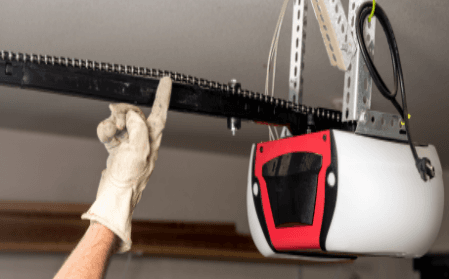
Chain-drive openers use a metal chain — similar to a bicycle chain — to push or pull a trolley that moves the garage door. They've been the industry standard for decades and remain the most widely installed type of opener.
Advantages:
- Affordability: Chain-drive openers are typically 20-30% less expensive than comparable belt-drive models.
- Durability: The metal chain is incredibly strong and resistant to heat, cold, and humidity. It won't stretch or degrade in extreme temperatures.
- Lifting power: Chain-drive systems excel at moving heavy doors, making them a solid choice for oversized or solid wood garage doors.
- Proven reliability: With fewer complex components, chain-drive openers have a long track record of dependable performance.
Disadvantages:
- Noise: This is the primary drawback. The metal chain running along the metal rail produces noticeable noise and vibration during operation. If your garage shares a wall with a living room or has bedrooms above it, this can be disruptive.
- Vibration: The chain's operation transmits vibration through the ceiling, which can be felt in rooms directly above.
Belt-Drive Openers: The Quiet Performer
Belt-drive openers replace the metal chain with a rubber belt (usually reinforced with fiberglass or steel). The fundamental mechanism is the same, but the material difference changes the experience dramatically.
Advantages:
- Whisper-quiet operation: This is the headline benefit. A belt-drive opener is dramatically quieter than a chain-drive — often 50-75% less noise. It's the clear choice for garages near living spaces.
- Smooth operation: The rubber belt provides smoother door movement with less vibration.
- Low maintenance: Belts don't need lubrication like chains do, and they won't rust or corrode.
- Speed: Many belt-drive models offer faster opening speeds than their chain-drive counterparts.
Disadvantages:
- Higher cost: Expect to pay $50 to $100 more for a belt-drive opener compared to a similar chain-drive model.
- Belt wear: While durable, rubber belts can eventually stretch or wear and need replacement — though this is uncommon within the first 10-15 years with normal use.
- Temperature sensitivity: In extreme cold, rubber belts can stiffen slightly, though this rarely causes functional issues.
What About Screw-Drive and Direct-Drive?
Screw-drive openers use a threaded steel rod to move the trolley. They have fewer moving parts but can be noisy and are sensitive to temperature changes that cause the metal to expand and contract.
Direct-drive (jackshaft) openers mount on the wall beside the door rather than on the ceiling. They're extremely quiet and free up ceiling space, but they're the most expensive option and require professional installation.
How to Choose: A Quick Decision Guide
- Choose chain-drive if: Budget is your primary concern, your garage is detached or separated from living spaces, or you have a very heavy door.
- Choose belt-drive if: Your garage is under or beside bedrooms or living areas, you value quiet operation, or you're willing to invest a bit more for a smoother experience.
Both types are available with smart features like Wi-Fi connectivity, smartphone control, and battery backup. The drive mechanism doesn't limit your access to modern convenience features.
Find Your Perfect Opener
Sears Garage Doors carries both belt-drive and chain-drive openers from trusted manufacturers. Our technicians will help you choose the right type and power level for your specific door and install it with precision. Contact us for a free estimate today.