7 Warning Signs Your Garage Door Springs Need Replacement
Don't Ignore These Garage Door Spring Warning Signs
Your garage door springs are the unsung heroes of your home. They bear the full weight of your garage door — often 150 to 250 pounds — every time it opens and closes. Over time, these springs wear out, and a failing spring can be dangerous if not addressed promptly.
Most torsion springs are rated for approximately 10,000 cycles (one cycle equals one open and one close). For a typical homeowner who opens their garage door four times a day, that translates to roughly 7 to 10 years of use. Here are the seven warning signs you should never ignore.
1. Your Door Won't Open All the Way
If your garage door opens partway and then stops or falls back down, your springs may no longer have the tension needed to lift the full weight of the door. This is one of the most common and earliest signs of spring fatigue. The springs have lost their ability to counterbalance the door's weight effectively.
2. The Door Closes Too Quickly
A garage door should close slowly and smoothly. If it slams shut or drops faster than usual, a spring may be broken or severely weakened. This is a serious safety hazard — a rapidly closing garage door can cause injury to people, pets, or vehicles beneath it.
3. Loud Bang from the Garage
If you heard a loud bang — almost like a gunshot — coming from your garage, a spring likely just snapped. This is the sound of the coiled metal releasing its stored energy all at once. After hearing this sound, do not attempt to operate the door. Call a professional immediately.
4. Visible Gaps in the Spring Coils
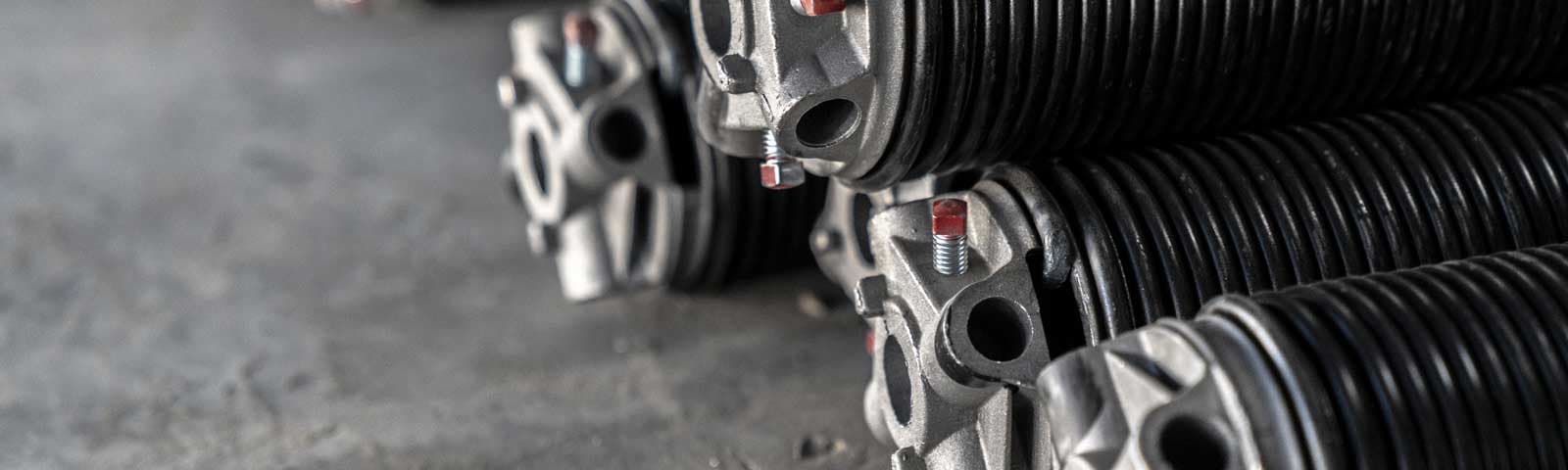
Take a moment to visually inspect your torsion springs (the large springs mounted horizontally above the door). If you see a visible gap or separation in the coils, the spring is broken and needs immediate replacement. Never attempt to touch or adjust a broken spring yourself.
5. The Door Looks Crooked When Opening
Most garage doors use two springs — one on each side. If one spring breaks while the other remains intact, the door will open unevenly, appearing crooked or tilted. Operating the door in this condition puts extreme stress on the opener and the remaining spring, which can lead to additional failures.
6. Rust and Corrosion on Springs
Rust significantly reduces the lifespan of garage door springs. Corroded springs have increased friction during operation and are more prone to sudden failure. If you notice rust forming on your springs, it's a good idea to have them inspected by a professional and consider preventive replacement.
7. Your Door Is Heavy to Lift Manually
Try disconnecting your automatic opener and lifting the door manually. A properly functioning door with healthy springs should feel relatively light — about 10 to 15 pounds of effort. If the door feels extremely heavy or won't stay open on its own, your springs are likely worn out.
Why You Should Never Replace Garage Door Springs Yourself
Garage door springs are under extreme tension. A torsion spring stores enough energy to cause serious injury or even death if it releases unexpectedly. Professional technicians have the specialized tools, training, and experience to replace springs safely. They'll also ensure the springs are properly calibrated for your specific door weight and size.
How Sears Garage Door Experts Can Help
Our expert technicians perform thorough spring inspections and replacements using high-quality, industry-rated springs. We offer same-day service in most areas, and every repair comes with our satisfaction guarantee. Don't wait for a complete failure — schedule your free estimate today and ensure your garage door operates safely and reliably.
Ready for a Free Garage Door Estimate?
Our expert technicians provide professional service backed by the Sears name.