Repair or Replace? How to Decide What's Best for Your Garage Door
The Repair vs. Replace Dilemma
Every homeowner with a garage eventually faces this question: should I repair my existing garage door or invest in a brand-new one? The answer depends on several factors, including the age of your door, the extent of the damage, and your long-term goals for your home.
Making the right choice can save you thousands of dollars over time while improving your home's safety, curb appeal, and energy efficiency. Let's walk through the key considerations.
When Repair Makes Sense
Minor cosmetic damage: Small dents, scratches, or fading paint can typically be repaired or refinished at a fraction of the cost of a new door. If the structural integrity is intact, cosmetic repairs are a smart, economical choice.
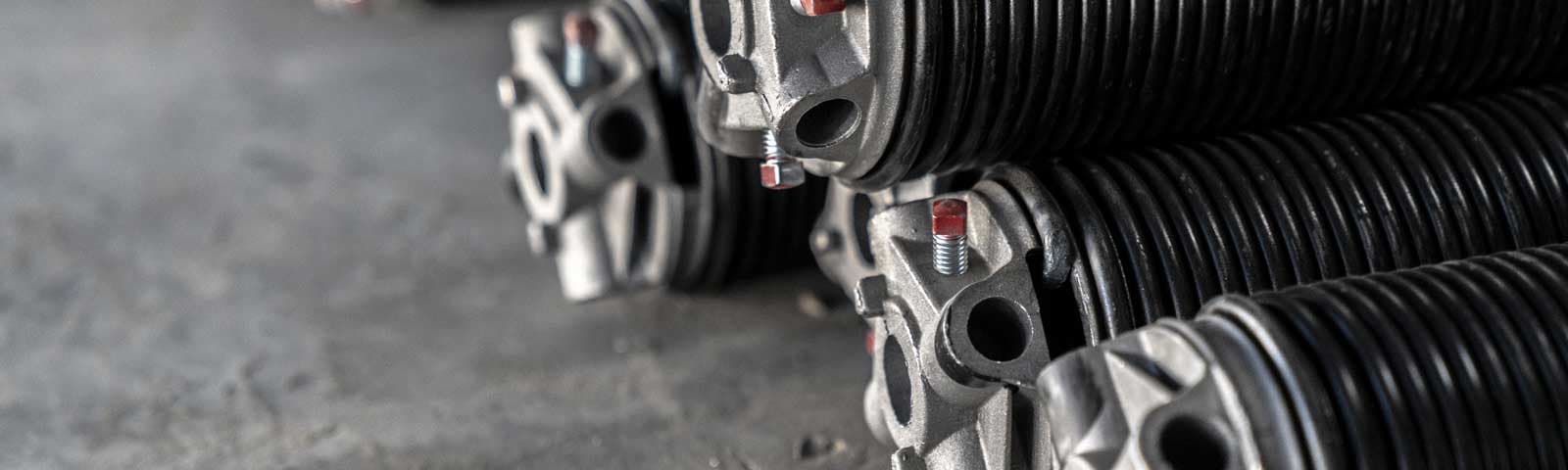
Single component failure: If one specific part has failed — a spring, cable, roller, or hinge — replacing that individual component is almost always more cost-effective than a full door replacement. Quality replacement parts can extend your door's life by several more years.
The door is less than 10 years old: Modern garage doors are built to last 15 to 30 years with proper maintenance. If your door is relatively new and the issue is isolated, repair is likely the better investment.
Your budget is tight: Repairs typically cost between $150 and $500, while a new garage door installation ranges from $1,000 to $4,000 or more depending on the style and features. If a repair solves the problem, there's no reason to overspend.
When Replacement Is the Better Choice
Frequent breakdowns: If you're calling for repairs multiple times a year, those costs add up quickly. At some point, investing in a new door becomes more economical than continuing to patch an aging system.
Significant structural damage: Large dents, warped panels, cracked frames, or extensive rust compromise the door's ability to function safely and securely. When structural damage is widespread, replacement is the safer option.
The door is 15+ years old: If your door has exceeded its expected lifespan, replacement parts may be difficult to find, and the overall system may be less safe than modern alternatives. Newer doors also come with improved safety features like auto-reverse sensors.
Poor energy efficiency: Older garage doors often lack adequate insulation. If your garage is attached to your home, an uninsulated door can significantly impact your heating and cooling costs. Modern insulated doors with polyurethane or polystyrene cores can dramatically improve energy efficiency.
You want to boost curb appeal: A new garage door is consistently ranked as one of the top home improvement projects for return on investment. According to the Remodeling Cost vs. Value Report, a new garage door can recoup over 100% of its cost at resale.
The Cost-Benefit Analysis
Here's a simple rule of thumb: if a repair costs more than 50% of what a new door would cost, replacement is usually the smarter long-term investment. Factor in the age of the door, how many repairs you've already made, and whether a new door would provide benefits beyond just fixing the current problem.
What to Expect from a Professional Assessment
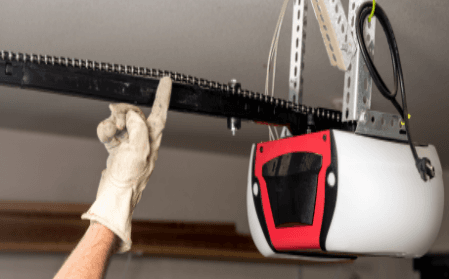
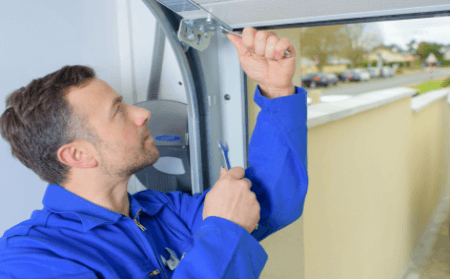
A qualified technician will inspect the entire system — not just the obvious problem. They'll evaluate the door panels, springs, cables, tracks, rollers, weatherstripping, and opener to give you a complete picture of your door's condition. This comprehensive assessment helps you make an informed decision with no surprises down the road.
Get a Free Expert Assessment
At Sears Garage Doors, our technicians provide honest, no-pressure assessments. We'll clearly explain what's wrong, what your options are, and help you choose the solution that makes the most sense for your situation and budget. Schedule your free estimate today.
Ready for a Free Garage Door Estimate?
Our expert technicians provide professional service backed by the Sears name.