Emergency Garage Door Repair: What to Do When Your Door Won't Open
Stay Calm and Stay Safe
A garage door that suddenly stops working can be stressful — especially if your car is trapped inside and you need to get to work. But before you do anything, the most important rule is: prioritize safety. A malfunctioning garage door can weigh over 200 pounds, and its components are under extreme tension.
This emergency guide walks you through what to do, what to avoid, and how to get your door operating again as quickly and safely as possible.
Step 1: Assess the Situation
Before touching anything, take a moment to observe:
- Is the door partially open or fully closed? A partially open door that's stuck may have a broken spring or cable.
- Do you hear any sounds? A running motor with no door movement suggests a disconnected or stripped drive mechanism.
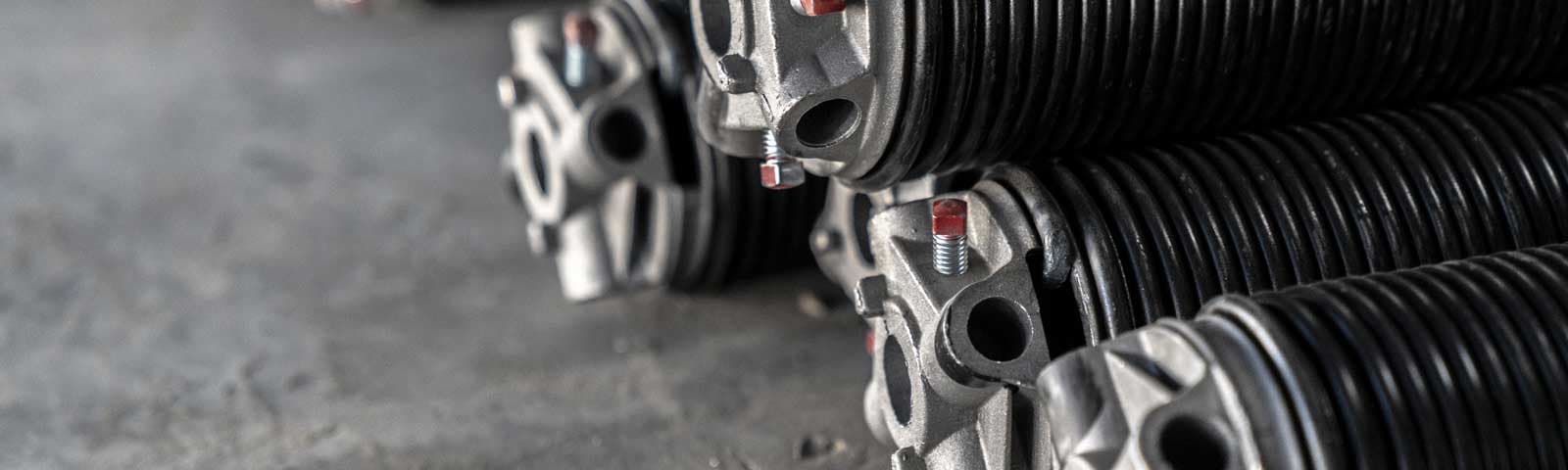
- Are there any visible signs of damage? Look for broken springs (you'll see a gap in the coils), frayed cables, or bent tracks.
- Is there power to the opener? Check if the ceiling light on the opener unit works. If not, check your circuit breaker.
Step 2: Try the Wall Button
If your remote isn't working, try the hardwired wall button. If the wall button works but the remote doesn't, the issue is likely just dead batteries or a signal problem — not an emergency.
Step 3: Check for Obstructions
Look at the photo-eye sensors near the bottom of the door tracks. If something is blocking them — even a cobweb — the door may refuse to close. Clean the lenses and make sure nothing is in the door's path.
Step 4: Use the Manual Release
Every automatic garage door opener has a manual release mechanism — typically a red cord hanging from the opener rail. Pulling this cord disconnects the door from the opener, allowing you to operate it manually.
Important safety notes for manual operation:
- Only use the manual release when the door is fully closed. If the door is partially open and a spring is broken, releasing it could cause the door to crash down.
- Lift the door slowly and steadily. If it feels extremely heavy (more than about 20 pounds of effort), stop — a spring is likely broken.
- If you successfully open the door manually, prop it open with a sturdy object. Don't rely on it staying open on its own if springs are compromised.
Step 5: What NOT to Do
In an emergency situation, avoid these common mistakes:
- Don't force a jammed door. Forcing a door that's stuck on the tracks can cause it to come off completely, creating a much bigger and more dangerous problem.
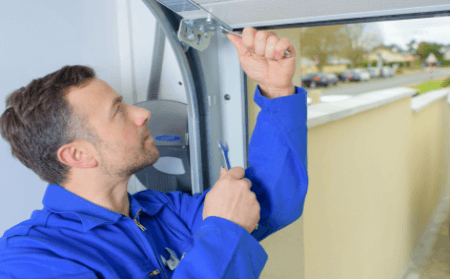
- Don't try to adjust or repair springs yourself. Garage door springs are under life-threatening tension. This is strictly a job for trained professionals with proper tools.
- Don't ignore unusual sounds. Grinding, popping, or scraping noises indicate something is mechanically wrong. Continuing to operate the door can worsen the damage.
- Don't leave a malfunctioning door unattended in the open position. This compromises your home security and can be an invitation for pests or intruders.
Step 6: Secure Your Home
If you can't get the door to close and lock, take steps to secure the opening. If possible, manually lower the door and use the manual lock (most doors have a slide lock on the inside). If the door can't be closed at all, contact a professional for emergency service.
When to Call for Emergency Service
Call a professional immediately if you experience any of the following:
- A spring has visibly snapped
- A cable has broken or come off the drum
- The door is hanging at an angle or has come off the tracks
- You smell burning or see smoke from the opener motor
- The door fell or slammed shut unexpectedly
Sears Garage Doors Emergency Repair
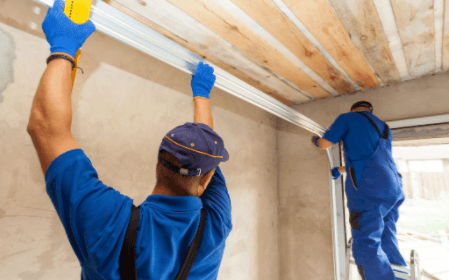
Our experienced technicians provide fast, reliable emergency repair service. We carry the most common replacement parts on our trucks so most repairs can be completed in a single visit. Contact us today — we're here to help get your garage door working safely again.